hamburger icon MENU

Horizontal Directional Drilling: A Beginner’s Guide

Published March 17, 2026

What is Horizontal Directional Drilling (HDD)?

Horizontal directional drilling (HDD) is a trenchless construction method used to install underground utilities without the need for open-cut excavation. This advanced technique allows contractors to place pipes, conduits, and cables beneath roads, rivers, buildings, and other sensitive areas while leaving the surface largely undisturbed.Unlike traditional trenching, directional horizontal drilling creates a guided path underground by drilling a pilot hole along a predetermined route. The process enables installation of water lines, sewer systems, fiber optic cables, gas lines, and electrical conduits with minimal impact on existing infrastructure, landscapes, and daily operations.Horizontal and directional drilling has become the preferred method for many utility installation projects because it reduces surface disruption, lowers environmental impact, and often proves more cost-effective than conventional digging methods. From small-diameter residential utilities to large-scale municipal infrastructure, HDD technology offers precise, efficient underground installations across diverse soil conditions and project requirements.

How Does HDD Work?

Horizontal directional drilling operates through a carefully controlled process that combines specialized equipment, experienced operators, and precision navigation technology. A drilling rig positioned at the entry point drives a drill string and cutting head through the soil at a controlled angle and direction. Advanced tracking systems monitor the drill head’s exact location underground, allowing operators to steer the bore path around obstacles and maintain the planned route.The drilling fluid—often called drilling mud—plays a critical role throughout the operation. This specialized mixture cools the drill head, removes cuttings from the borehole, and stabilizes the surrounding soil to prevent collapse. As the drill progresses, operators continuously adjust direction and angle based on real-time tracking data, ensuring the bore follows the engineered path precisely.Once the pilot hole reaches the exit point, larger cutting tools called reamers are pulled back through the path to enlarge the hole to the required diameter. Finally, the utility pipe or conduit is attached to the reaming assembly and pulled into place through the prepared bore path. This process allows for installations ranging from small residential utilities to large-diameter municipal infrastructure.

The Process of Horizontal Directional Drilling

Every successful HDD project follows a systematic approach that ensures accuracy, safety, and efficient execution. Understanding these distinct phases helps clarify why this method delivers reliable results with minimal surface disruption.

Preparation

Before any drilling begins, comprehensive planning sets the foundation for project success. Teams conduct utility locating services to identify existing underground infrastructure and prevent conflicts. Engineers develop detailed bore plans that account for soil conditions, entry and exit angles, depth requirements, and the specific route the drill will follow.Site preparation includes clearing work zones, positioning equipment, and establishing access points for the drilling rig and support vehicles. Coordination with local authorities, 811 services, and property owners ensures all stakeholders understand project timelines and safety protocols. This thorough preparation phase reduces surprises on site and streamlines the drilling operation.

Pilot Hole

The pilot hole represents the initial bore path that establishes the route for utility installation. Operators guide a small-diameter drill head through the soil using sophisticated tracking equipment that provides real-time position data. The drill bit angles downward from the entry point, levels out at the target depth, and then curves upward to emerge at the predetermined exit location.Throughout this phase, drilling fluid circulates through the drill string to cool the cutting head and carry soil cuttings back to the surface. Operators make continuous steering adjustments based on tracking data to maintain the planned alignment and avoid underground obstacles. The pilot hole typically measures just a few inches in diameter but defines the precise path the final utility will follow.

Reaming

Once the pilot hole is complete, reaming enlarges the bore to accommodate the utility pipe or conduit. A reamer—a barrel-shaped cutting tool with hardened teeth—attaches to the drill string at the exit point and gets pulled back toward the entry point. As it moves through the pilot hole, the reamer cuts and compacts soil to create a larger diameter bore.Depending on the final pipe size required, contractors may complete multiple reaming passes with progressively larger reamers. Each pass further smooths and enlarges the bore while drilling fluid continues to stabilize the hole and remove cuttings. This gradual enlargement approach reduces stress on equipment and creates a clean, stable bore path ready for pipe installation.

Pipe Pull-Back

The final stage involves pulling the utility pipe through the prepared bore. Workers connect the pipe to the reaming assembly at the exit point, and the drilling rig pulls everything back through the bore path toward the entry point. The pipe slides through the drilled hole, guided by the reamer that continues to maintain bore stability.Proper pipe pull-back requires careful attention to pulling speeds, tension, and drilling fluid management. Too much tension can damage the pipe, while insufficient fluid pressure may allow bore collapse. Experienced operators monitor these variables continuously to ensure the pipe installs smoothly without kinks, damage, or misalignment. Once the pipe emerges at the entry point, crews can connect it to the broader utility network. 
Benefits of Horizontal Directional Drilling

HDD technology offers significant advantages that make it the preferred choice for many modern underground utility projects. These benefits extend beyond simple installation efficiency to encompass environmental, financial, and operational improvements.

Minimal Surface Disruption

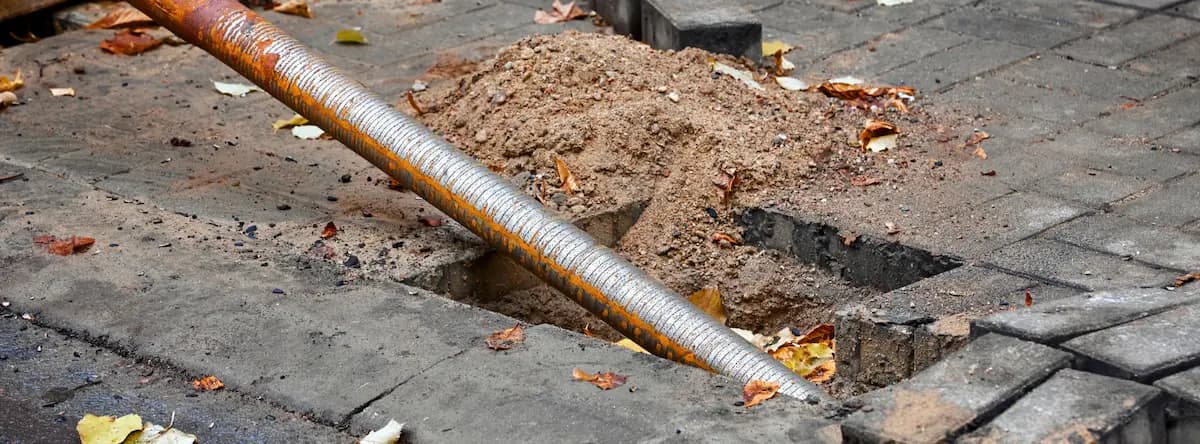
One of HDD’s most valuable attributes is its ability to install utilities without disturbing surface areas. Roads, sidewalks, driveways, landscaping, and existing structures remain intact throughout the installation process. Only small entry and exit pits are required, rather than continuous trenches that can stretch hundreds or thousands of feet.This minimal disruption proves especially valuable in developed areas where open-cut trenching would require extensive surface restoration, traffic management, and business interruption. Homeowners, businesses, and municipalities appreciate that daily activities can continue largely unaffected while critical infrastructure gets installed underground.

Reduced Environmental Impact

Trenchless drilling methods significantly reduce environmental disturbance compared to traditional excavation. Tree roots, wetlands, streams, and sensitive ecosystems can be preserved while utilities pass beneath them. The smaller work zone means less vegetation removal, reduced soil displacement, and minimal habitat disruption.HDD also eliminates the need for dewatering in high-water-table areas and reduces erosion risk associated with open trenches. For projects crossing waterways or protected lands, this environmentally responsible approach often represents the only viable installation method that satisfies regulatory requirements.

Cost-Effective for Many Projects

While HDD requires specialized equipment and expertise, it often proves more economical than open-cut methods when all project costs are considered. Eliminating extensive surface restoration, traffic control, and lengthy site occupation reduces overall expenses. Projects that would require road closures, pavement removal and replacement, or landscape reconstruction especially benefit from HDD’s cost efficiency.The method also reduces indirect costs like business interruption, traffic delays, and community disruption that accompany traditional trenching projects. Faster installation timelines mean contractors can complete projects in days rather than weeks, reducing labor costs and allowing crews to move to the next job more quickly.

Safety

Horizontal directional drilling enhances safety for workers and the public by minimizing trench-related hazards. Open trenches present significant risks, including cave-ins, equipment accidents, and falls. HDD eliminates these dangers by keeping work crews on the surface while utilities are installed underground.The method also reduces risk to existing utilities. Precision tracking and controlled drilling allow operators to navigate safely around underground infrastructure, preventing accidental strikes that could cause service outages, environmental contamination, or dangerous situations. Combined with thorough pre-bore planning and utility locating, HDD represents one of the safest approaches to underground construction.

Challenges of Horizontal Directional Drilling

Despite its many advantages, HDD presents certain challenges that contractors and project planners must consider. Understanding these limitations helps ensure appropriate method selection and realistic project expectations.

Higher Upfront Investment

The specialized equipment and training needed for directional drilling mean a higher capital investment. Drilling rigs, tracking systems, and support equipment cost substantially more than conventional excavation machinery. This higher equipment cost typically gets reflected in contractor pricing, making HDD’s per-foot installation rate higher than simple trenching for straightforward applications.However, this upfront premium often gets offset by reduced restoration costs, faster project completion, and elimination of surface disruption expenses. Projects must be evaluated holistically to determine whether HDD’s total installed cost provides value compared to traditional methods.

Technical Complexity

Successful horizontal directional drilling demands skilled operators, precise planning, and sophisticated equipment management. Operators must interpret real-time tracking data, make steering corrections, manage drilling fluid properties, and respond to changing soil conditions—all while maintaining the bore path within tight tolerances.This technical complexity means projects require experienced crews who understand both the equipment and the subsurface environment. Less experienced operators may struggle with steering accuracy, borehole stability, or equipment troubleshooting, potentially leading to project delays or failures.

Risk of Cross-Bore

Cross-boring occurs when a new bore inadvertently intersects an existing underground utility. Despite thorough utility locating and careful planning, mapping inaccuracies or undocumented infrastructure can lead to dangerous cross-bore situations, particularly when gas lines are involved.The industry has developed strict protocols to prevent cross-bores, including enhanced locating procedures, video inspection of certain existing utilities, and careful tracking verification. However, the risk remains a serious consideration that requires vigilant planning, execution, and post-installation verification.

Limitations on Length and Depth

While modern HDD equipment can complete impressive installations, the method has practical limits on bore length and depth. Longer bores increase steering difficulty, require more powerful equipment, and face a greater risk of borehole collapse or deviation from the planned path. Very deep installations may exceed equipment capabilities or encounter geological conditions that make drilling impractical.Soil conditions also impose limitations—rock formations, unstable soils, or highly variable geology can complicate or prevent HDD operations. Project planners must assess site-specific conditions to determine whether HDD is a viable approach or whether alternative methods would prove more reliable.

Types of Directional Boring Machines

Directional drilling equipment varies significantly in size and capability to match different project requirements. Understanding the main equipment categories helps clarify which applications best suit each machine type.

Tractor-Trailer-Mounted Directional Drilling

Large-scale HDD projects rely on powerful tractor-trailer-mounted drilling rigs capable of installing pipes up to 48 inches in diameter and completing bores stretching thousands of feet. These substantial machines deliver the thrust and torque necessary for challenging soil conditions, large-diameter installations, and extended bore lengths.Maxi-rigs, as they’re often called, come equipped with advanced tracking systems, high-volume mud mixing and pumping equipment, and sophisticated control systems that give operators precise command over the drilling operation. These machines handle major utility crossings beneath highways, rivers, and developed areas where large-diameter infrastructure is required.

Smaller Portable Drilling Equipment

Mini and midi directional drilling rigs serve smaller-scale projects where compact equipment and lower installation costs make sense. These machines typically handle pipe diameters from 2 to 12 inches and bore lengths up to several hundred feet. Their smaller footprint and reduced setup requirements make them ideal for residential utility installations, fiber optic placements, and projects in confined work areas.Despite their smaller size, modern compact HDD equipment incorporates sophisticated tracking and steering capabilities that deliver accuracy comparable to larger machines. These units provide an economical solution for projects that don’t require the power and capacity of full-size drilling rigs.

Best Horizontal Directional Drilling Contractors: Glory Utilities

When your project demands precision drilling that installs utilities underground with minimal disruption, Glory Utilities brings the expertise, equipment, and safety-focused execution that complex infrastructure work requires. Based in Fort Mill, SC, and serving North Carolina, South Carolina, Virginia, Tennessee, and Georgia, Glory Utilities specializes in horizontal directional drilling for projects of all scopes and soil types.Our team handles comprehensive underground utility solutions from planning to commissioning. We combine advanced HDD equipment with detailed bore planning that reduces surprises on site, ensuring your water, sewer, fiber optic, gas, and electrical infrastructure gets installed efficiently and safely. Every project benefits from our precision groundwork that protects site integrity and existing utilities.Contact Glory Utilities to discuss your underground utility installation needs. Our regional reach and specialized expertise in utility drilling and installation ensure your project receives the precision, safety, and professional execution that critical infrastructure demands.
 

Glory Utilities LLC is a leading construction company in the Carolinas, specializing in horizontal directional drilling. As trusted utility service drilling contractors in NC, we install HDPE and FPVC pipes for a variety of utilities, including force sewer, water mains, gas, electric, telecom, and fiber. Contact Glory Utilities LLC as the horizontal drilling company for your next project.

PO Box 1115, Fort Mill, SC 29716

Call (980) 489-0123

Click here to send us an email